Introduction
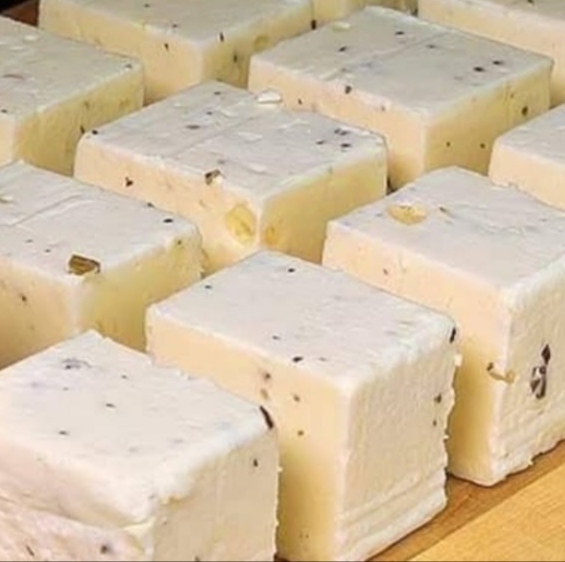
Homemade cheese made with milk and apple cider vinegar is a simple and satisfying recipe that transforms everyday ingredients into a soft, fresh cheese. Finished with melted butter, salt, and fragrant Provencal herbs, it makes a delicious spread, appetizer, or addition to sandwiches and meals.
Origin
Fresh cheeses made by curdling milk with an acid have been prepared for centuries in many parts of the world. Vinegar, lemon juice, or other acidic ingredients can separate milk into curds and whey. This simple technique remains popular because it requires minimal equipment and can be adapted with different seasonings.
Cultural Significance
Homemade fresh cheese reflects traditional food practices centered around making the most of basic ingredients. Similar acid-set cheeses are found in many culinary traditions, where fresh dairy is seasoned with herbs, salt, or spices and served alongside bread, vegetables, and other foods.
Ingredients Quantity
- 1.5 liters (6⅓ cups) milk, preferably whole milk
- 2 tablespoons (30 ml) apple cider vinegar
- Salt, to taste
- 50 g (¼ cup) melted butter
- 1 tablespoon (15 ml) Provencal herbs
Optional Additions
- Black pepper
- Garlic powder or fresh minced garlic
- Dried oregano
- Fresh parsley or chives
- Chili flakes
- A small drizzle of olive oil
- Lemon zest for a fresh flavor
Tips for Success
- Use whole milk for a richer and creamier cheese.
- Avoid ultra-high-temperature (UHT) milk if possible, as it may not curdle as effectively.
- Heat the milk gently and avoid letting it boil vigorously.
- Add the vinegar gradually and give the milk time to separate into curds and whey.
- Use a clean cheesecloth or fine-mesh strainer to drain the curds thoroughly.
- The longer you drain the curds, the firmer the cheese will become.
- Taste before adding more salt because the final flavor can become stronger as the cheese drains.
Instructions
- Pour the milk into a large saucepan and heat gently until it is very hot but not boiling.
- Remove the saucepan from the heat.
- Add the apple cider vinegar and stir gently for several seconds.
- Let the mixture stand for about 5–10 minutes. The milk should separate into white curds and a yellowish whey.
- If the milk has not separated sufficiently, add another small amount of vinegar and wait a few more minutes.
- Place a clean cheesecloth or fine-mesh strainer over a bowl and carefully pour in the mixture.
- Allow the curds to drain for approximately 15–30 minutes, depending on your desired consistency.
- Transfer the drained curds to a bowl.
- Add salt, melted butter, and Provencal herbs.
- Mix gently until well combined.
- Serve warm, at room temperature, or chilled according to your preference.
- Store leftovers in a clean, covered container in the refrigerator and use promptly.
Description
This homemade cheese is soft, creamy, and mildly tangy, with a rich buttery finish and aromatic Provencal herbs. It is delicious spread over toasted bread or crackers and can also be served alongside fresh vegetables.
Nutritional Information
Approximate per serving; values vary depending on the milk, amount of cheese obtained, butter, and serving size.
- Calories: 150–220 kcal
- Protein: 7–10 g
- Carbohydrates: 4–7 g
- Fat: 10–17 g
- Saturated Fat: 6–10 g
- Sodium: Depends mainly on the amount of added salt
Conclusion
Homemade vinegar cheese is an easy way to turn milk into a flavorful fresh cheese using a simple acid-curdling technique. With only a few ingredients, you can create a creamy, herb-seasoned cheese that is perfect for everyday meals or entertaining.
Recommendation
Serve it with crusty bread, crackers, tomatoes, cucumbers, roasted vegetables, or fresh herbs. For a more flavorful version, add garlic, black pepper, or chili flakes to the finished cheese.
Embracing Healthful Indulgence
This homemade cheese can be enjoyed as part of a balanced diet. Using whole milk provides protein and calcium, while controlling the amount of butter and salt allows you to adjust the richness and sodium content. Pairing a moderate portion with vegetables and whole-grain bread makes for a satisfying and balanced snack.