Introduction
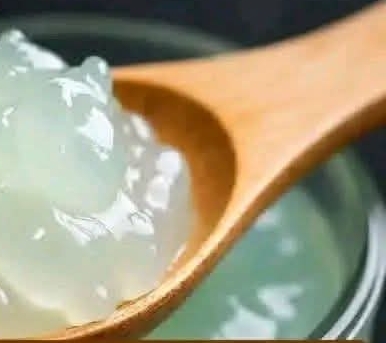
Aloe Hydrating Face Gel is a simple homemade skincare preparation designed to provide lightweight moisture and a refreshing feel. Aloe vera and glycerin are humectant ingredients that help attract and retain water in the skin, which can temporarily make dry skin look smoother and more plump. While this gel may improve the appearance of dryness and temporarily soften the look of fine lines, it should not be expected to erase wrinkles or reverse signs of aging.
Origin
Aloe vera has been used for centuries in traditional skincare and personal care practices. The succulent plant is naturally rich in water and has a soothing, cooling texture when applied to the skin. Homemade aloe preparations have become popular as simple alternatives for people who enjoy creating basic skincare products at home.
Cultural Significance
Aloe vera has a long history in traditional beauty and wellness practices in many regions around the world. Its use has been especially common in warm and dry climates, where the plant is valued for its soothing and moisturizing qualities. Today, aloe-based skincare remains popular in both homemade beauty routines and commercial cosmetic products.
Ingredients Quantity
Makes: About ½ cup
- ½ cup fresh aloe vera gel, or pure store-bought aloe gel without alcohol
- 1 teaspoon vegetable glycerin
- 1 teaspoon rose water or plain water
- Oil from 2 vitamin E capsules
- 4–5 drops lavender or frankincense essential oil, optional
- A tiny pinch of xanthan gum, optional, for a thicker texture
Optional Additions
- A small amount of rose water for a pleasant fragrance
- Xanthan gum for a thicker, more spoonable consistency
- Essential oil only if your skin tolerates it
- For sensitive skin, simply leave out the essential oils
Avoid adding ingredients that can irritate the skin or make the homemade gel difficult to preserve safely.
Tips for Success
- Use clean equipment: Wash your hands, utensils, and storage container thoroughly before preparing the gel.
- Choose clear aloe gel: If using fresh aloe, remove the outer leaf and use the clear inner gel.
- Patch-test first: Apply a small amount to an inconspicuous area before using it on your face.
- Skip essential oils for sensitive skin: Fragrance and essential oils can cause irritation in some people.
- Keep it refrigerated: Homemade water-based skincare products can spoil because they generally do not contain a reliable cosmetic preservative.
- Watch for changes: Discard the gel if you notice an unusual smell, color change, mold, or other signs of spoilage.
- Don’t apply to damaged skin: Avoid using the gel on cuts, open wounds, or significantly irritated skin.
Instructions
- If using a fresh aloe leaf, wash it thoroughly and remove the outer green skin.
- Scoop out the clear inner gel and blend it until smooth.
- Strain the aloe if necessary to remove remaining pieces or lumps.
- Add the vegetable glycerin, rose water, and vitamin E oil.
- Blend or stir until the mixture is evenly combined.
- If you want a thicker gel, add a very small pinch of xanthan gum and blend for about 20 seconds.
- Transfer the mixture into a clean container with a lid.
- Refrigerate for at least 1 hour before use.
- Apply a thin layer to clean, slightly damp skin.
- Use it as a short 15-minute mask and rinse afterward, or apply a very thin layer as a moisturizing step if your skin tolerates it.
- During the daytime, finish with sunscreen.
Description
This homemade aloe gel has a lightweight, cooling texture and is especially suited to skin that feels dry or tight. Aloe and glycerin help provide moisture, while the small amount of vitamin E adds an emollient element. The result is a simple gel that can leave the skin feeling softer, smoother, and refreshed.
The temporary “tightening” effect is mainly related to hydration and the way the gel dries on the skin. It should not be interpreted as a permanent reduction in wrinkles or facial aging.
Nutritional Information
Because this product is intended for topical use rather than eating, traditional nutritional information such as calories, protein, carbohydrates, and fat is not applicable.
For skincare purposes, the key functional ingredients are aloe vera for lightweight hydration and glycerin as a humectant that helps attract moisture to the skin.
Conclusion
Aloe Hydrating Face Gel is an easy homemade preparation for adding lightweight moisture to a skincare routine. It can leave the skin feeling refreshed and temporarily make dry fine lines appear less noticeable by improving hydration. However, it is not an anti-aging treatment capable of permanently removing wrinkles.
Recommendation
Perform a patch test before applying the gel to your face. For daytime use, always follow your skincare routine with broad-spectrum sunscreen. If your main goal is long-term wrinkle prevention or improvement, evidence-based skincare ingredients and consistent sun protection are more appropriate than relying on a homemade aloe gel.
Because homemade water-based skincare has a higher contamination risk than properly preserved commercial products, prepare small batches, keep them refrigerated, and discard them at the first sign of spoilage.
Embracing Healthful Indulgence
Skincare can be a relaxing form of self-care without requiring unrealistic promises. Enjoy this aloe gel for the cooling and moisturizing experience it provides, while keeping expectations realistic. Healthy-looking skin is supported by consistent sun protection, gentle cleansing, adequate moisturization, and a skincare routine suited to your individual skin type.