Introduction
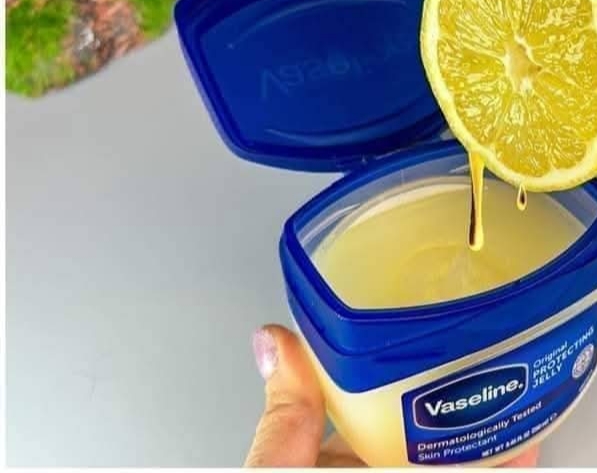
The combination of petroleum jelly (Vaseline) and lemon juice is a popular DIY skincare idea shared online. Petroleum jelly can help reduce moisture loss and protect dry skin, while lemon juice contains citric acid. However, lemon juice can be irritating and may increase the risk of skin reactions, especially with sun exposure, so this mixture should be used with caution.
Origin
DIY skincare recipes combining household ingredients have been shared for generations across different cultures. The use of petroleum jelly as a skin protectant became widespread after its introduction as a commercial skincare product, while lemon has long been used in traditional beauty routines.
Cultural Significance
Home beauty remedies often use inexpensive ingredients that are readily available in the kitchen or bathroom. Lemon-based skincare mixtures became especially popular through word-of-mouth and, more recently, social media.
Ingredients Quantity
- 1 tablespoon petroleum jelly (Vaseline)
- ½ teaspoon fresh lemon juice
For sensitive skin, it is safer to skip the lemon and use plain petroleum jelly instead.
Optional Additions
- 1–2 drops of fragrance-free moisturizing oil
- A small amount of plain aloe vera gel
- Fragrance-free moisturizer for a gentler alternative
Avoid adding baking soda, vinegar, or other strong acidic/alkaline ingredients.
Tips for Success
- Do not apply lemon juice to broken, irritated, or freshly shaved skin.
- Patch-test any mixture on a small area first.
- Avoid the eye area and lips.
- Do not apply lemon-containing mixtures before going into the sun. Citrus juice on skin can cause irritation and, with sunlight, potentially a painful skin reaction called phytophotodermatitis.
- For dry skin, plain petroleum jelly is generally a simpler and less irritating option.
- Stop using it if you experience burning, redness, swelling, or itching.
Instructions
- Place 1 tablespoon of petroleum jelly in a clean small container.
- If you decide to use lemon, add only about ½ teaspoon.
- Mix thoroughly until combined.
- Apply a very small amount to a small patch of skin first.
- If there is no irritation, use a thin layer on a small area of dry, intact skin.
- Keep the mixture away from sunlight and wash it off if irritation develops.
- Do not store a homemade lemon mixture for long periods; prepare a fresh, small amount instead.
Description
Petroleum jelly creates an occlusive layer that helps keep moisture in the skin, making it useful for dry areas. Lemon juice adds acidity but does not have a proven special ability to whiten, rejuvenate, or dramatically transform skin. The viral claim that mixing the two produces a “shocking” cosmetic effect is not established medical evidence.
Nutritional Information
Not applicable. This is a topical skincare preparation and should not be eaten or consumed.
Conclusion
Vaseline can be an effective and inexpensive moisturizer for protecting dry skin, but adding lemon does not necessarily make it better. Because lemon juice can irritate the skin and react with sunlight, the safer everyday choice for dry skin is usually plain petroleum jelly or a properly formulated moisturizer.
Recommendation
For simple dry-skin care, apply a thin layer of plain petroleum jelly to slightly damp, intact skin, especially after bathing. If you want to use lemon-containing skincare products, commercially formulated products are generally preferable because their ingredients and concentrations are controlled.
Embracing Healthful Indulgence
Good skincare doesn’t need complicated DIY mixtures. Gentle cleansing, regular moisturizing, and daily sun protection are more reliable foundations for healthy-looking skin. When it comes to viral beauty hacks, remember: natural doesn’t automatically mean safe, and lemon juice is one ingredient that deserves extra caution on skin.