Mold on Leather Shoes: What It Is and How to Clean It
Introduction
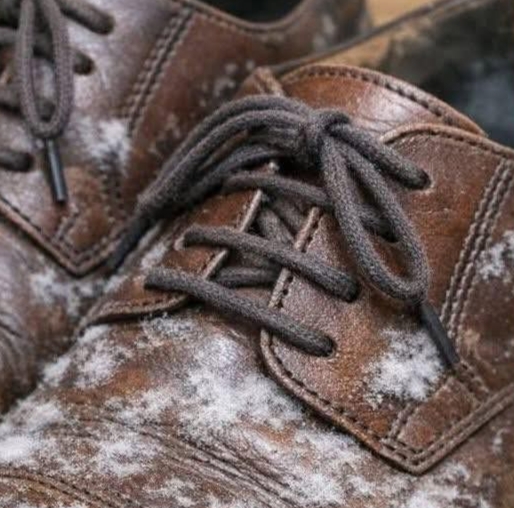
Finding white fuzzy patches on leather shoes after storing them away for winter is a common problem. These patches are usually mold or mildew caused by moisture, poor ventilation, and humidity. Leather naturally absorbs moisture from the air, making it an easy surface for fungal growth when shoes are stored in dark or damp places for long periods.
Fortunately, moldy leather shoes can often be cleaned and restored with proper care and a few household supplies.
Origin
Mold develops from microscopic fungal spores that exist naturally in the environment. When leather shoes are stored in warm, humid, or poorly ventilated conditions, these spores settle on the surface and begin to grow. Closets, basements, garages, and sealed boxes are common places where mold growth occurs.
Leather is especially vulnerable because it contains natural fibers and oils that retain moisture.
Cultural Significance
Leather footwear has long symbolized craftsmanship, durability, elegance, and tradition across many cultures. Proper shoe maintenance has historically been viewed as a sign of pride and personal care. In many households, preserving leather goods through cleaning and conditioning is considered an important routine to extend the life of valuable items.
Learning how to restore moldy leather shoes reflects a practical tradition of repairing and maintaining belongings rather than discarding them.
Ingredients Quantity
Cleaning Supplies
- 1 cup white vinegar
- 1 cup water
- Mild soap or leather cleaner — 1–2 teaspoons
- Soft microfiber cloths — 2 or 3
- Soft-bristled brush or old toothbrush — 1
- Leather conditioner — small amount
- Cotton swabs — optional
- Baking soda — 2 tablespoons (for odor removal)
Optional Additions
- Rubbing alcohol for stubborn mold spots
- Cedar shoe inserts for moisture control
- Silica gel packets for storage
- Essential oil drops for freshness
- Waterproof leather protectant spray
Tips for Success
- Always clean shoes outdoors or in a ventilated area.
- Wear gloves and a mask if mold is extensive.
- Never soak leather completely in water.
- Test cleaners on a small hidden spot first.
- Allow shoes to air dry naturally away from direct sunlight or heaters.
- Condition leather afterward to prevent cracking.
- Store shoes in breathable fabric bags instead of plastic containers.
Instructions
- Take the shoes outside to prevent mold spores from spreading indoors.
- Use a soft brush or dry cloth to gently remove loose mold from the surface.
- Mix equal parts white vinegar and water in a bowl.
- Dampen a microfiber cloth with the solution and wipe the affected leather carefully.
- For stubborn spots, use a soft toothbrush dipped lightly in the solution.
- Wipe again with a clean damp cloth to remove residue.
- Let the shoes air dry completely in a well-ventilated area.
- Sprinkle baking soda inside the shoes overnight to absorb odors if needed.
- Once dry, apply leather conditioner to restore softness and shine.
- Store the shoes in a cool, dry place with airflow.
Description
Mold on leather shoes often appears as white, gray, or green fuzzy patches. It may also produce a musty odor. While surface mold can usually be cleaned successfully, severe mold damage may permanently stain or weaken the leather if left untreated for too long.
Proper cleaning not only restores appearance but also helps protect the leather from cracking and deterioration.
Nutritional Information
Because this is a cleaning and care guide rather than a food recipe, nutritional information does not apply.
Conclusion
White fuzzy patches on stored leather shoes are most likely mold caused by trapped moisture and humidity. Acting quickly can prevent permanent damage and help restore your shoes to good condition. With gentle cleaning, proper drying, and regular maintenance, leather footwear can remain durable and attractive for years.
Recommendation
To prevent future mold growth:
- Store shoes in dry, ventilated spaces.
- Use moisture absorbers like silica gel packets.
- Avoid keeping leather shoes in sealed plastic containers.
- Clean and condition shoes regularly, especially before seasonal storage.
Embracing Healthful Indulgence
Taking care of leather shoes is part of mindful living and sustainable ownership. Restoring and preserving quality footwear reduces waste, saves money, and encourages appreciation for long-lasting craftsmanship. A little preventative care goes a long way in keeping leather items fresh, functional, and beautiful.