Introduction
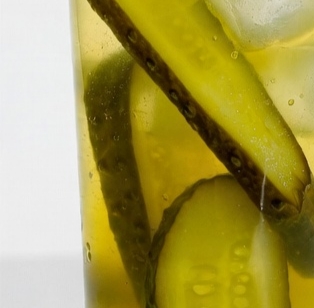
Pickle juice has moved from being a leftover liquid in jars to a trendy wellness drink embraced by athletes and health enthusiasts. Tangy, salty, and refreshing, it offers a quick way to hydrate and replenish essential minerals. The image highlights its growing popularity and the belief that there’s a “right way” to enjoy it for maximum benefits.
Origin
Pickle juice originates from the traditional process of pickling, which dates back thousands of years. Ancient civilizations preserved vegetables—especially cucumbers—in brine made of water, salt, and sometimes vinegar. This liquid, once simply a preservation medium, gradually gained recognition for its unique flavor and potential health properties.
Cultural Significance
Across many cultures, pickled foods are staples—from Eastern European dill pickles to Middle Eastern torshi and Asian fermented vegetables. In recent years, pickle juice has gained a special place in sports culture, particularly among athletes who use it as a quick remedy for muscle cramps and dehydration.
Ingredients Quantity
- 1 cup pickle juice (from a jar of pickles)
- 3–4 ice cubes (optional)
- 1 pickle spear or slices (optional, for serving)
Optional Additions
- A squeeze of fresh lemon juice for brightness
- A pinch of chili flakes for a spicy kick
- A dash of honey to balance the saltiness
- Fresh herbs like dill or mint for aroma
Tips for Success
- Choose natural pickle juice without artificial preservatives for better health benefits
- Drink chilled for a more refreshing experience
- Avoid overconsumption due to high sodium content
- Shake or stir before drinking to distribute flavors evenly
Instructions
- Pour 1 cup of pickle juice into a glass.
- Add ice cubes if desired.
- Include a pickle spear or slices for garnish.
- Stir gently and drink slowly.
- Limit intake to small amounts (about 60–120 ml at a time) to avoid excess sodium.
Description
This drink is bold and tangy with a salty punch that awakens the senses. The crispness of the pickle combined with the chilled brine creates a refreshing yet intense flavor experience. It’s not your typical beverage—but for those who enjoy savory tastes, it can be surprisingly satisfying.
Nutritional Information (Approximate per 1 cup)
- Calories: 5–10
- Sodium: 800–1200 mg
- Carbohydrates: 1–2 g
- Sugar: 0–1 g
- Fat: 0 g
Conclusion
Pickle juice is more than just a byproduct—it’s a functional drink with a long history and modern appeal. While its benefits are often praised, moderation is key due to its high sodium levels.
Recommendation
Enjoy pickle juice occasionally, especially after intense physical activity when your body needs electrolytes. It’s best suited as a supplement rather than a daily beverage.
Embracing Healthful Indulgence
Incorporating pickle juice into your routine can be a fun and flavorful way to explore alternative wellness drinks. When consumed mindfully, it offers a unique balance of tradition, taste, and potential health support—proving that even the simplest ingredients can have surprising value.