Introduction
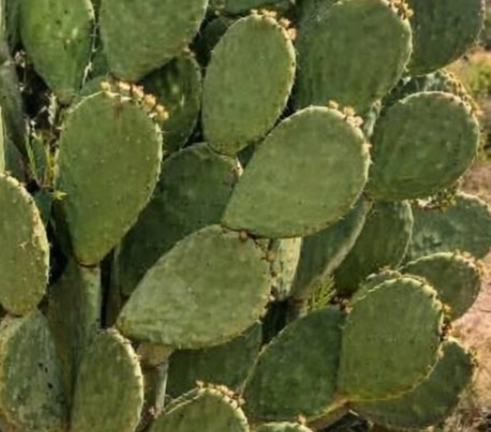
Nopales—tender pads of the prickly pear cactus—offer a uniquely fresh, slightly tangy flavor with a pleasantly crisp texture. Whether grilled, sautéed, or tossed into a vibrant salad, nopales bring a wholesome, earthy element to meals while remaining light and nourishing.
Origin
Nopales come from the cactus, native to Mexico and widely found across arid regions of the Americas. They have been cultivated and consumed for thousands of years, especially by indigenous civilizations who recognized both their nutritional and medicinal value.
Cultural Significance
In Mexican cuisine, nopales are more than just an ingredient—they are a cultural symbol. Featured in traditional dishes and even depicted on the Mexican flag, they represent resilience and heritage. From rustic home cooking to modern gastronomy, nopales remain a staple that connects generations through flavor and tradition.
Ingredients Quantity
- 1 lb fresh nopales (prickly pear cactus pads)
- 2 tablespoons olive oil
- 1/2 teaspoon salt (or to taste)
- 1/4 teaspoon black pepper (or to taste)
- 1 lime, cut into wedges
- 1/2 cup chopped white onion
- 1/2 cup chopped ripe tomatoes
- 1/4 cup chopped fresh cilantro
- 1 jalapeño, finely diced (optional)
- 2 cloves garlic, minced (optional)
- 1 tablespoon apple cider vinegar
- 1 teaspoon dried oregano
- 4 large eggs (for scramble)
- 8 small corn tortillas (for tacos)
- Salsa and avocado for serving
Optional Additions
- Crumbled queso fresco or feta cheese for a creamy, salty finish
- Sliced radishes for crunch
- A pinch of chili flakes for extra heat
- Fresh lime zest for a brighter citrus note
- Black beans or grilled chicken for added protein
Tips for Success
- Clean the nopales thoroughly—removing all spines is essential
- Rinse well after boiling to reduce the natural slimy texture
- Avoid overcooking to maintain a slight bite
- Season gradually and taste as you go
- Use fresh lime juice at the end to enhance flavor
Instructions
Prepare the Nopales
Wear gloves and carefully remove all spines and tiny hairs. Rinse thoroughly under cold water.
Dice the Nopales
Cut into small strips or cubes, depending on your preference.
Cook the Nopales (Basic Method)
Boil in salted water for 15–20 minutes until tender. Drain and rinse well.
Grilled Nopales
Brush with olive oil, season, and grill 3–5 minutes per side. Finish with lime juice.
Nopales Salad
Combine cooled nopales with onion, tomatoes, cilantro, and jalapeño. Toss with olive oil, apple cider vinegar, oregano, salt, and pepper. Serve chilled.
Nopales Scramble
Sauté nopales in olive oil, add garlic, then pour in whisked eggs. Cook until set.
Nopales Tacos
Fill warm tortillas with sautéed nopales. Top with salsa, avocado, and cilantro.
Description
This dish delivers a balance of bright citrus, fresh herbs, and mild vegetal flavor. The nopales absorb seasonings beautifully, creating a refreshing yet satisfying experience whether served warm or cold.
Nutritional Information
Nopales are low in calories yet rich in fiber, antioxidants, and vitamins such as vitamin C and A. They may support digestion and help regulate blood sugar levels. Combined with eggs or tortillas, this dish becomes a balanced meal with protein, healthy fats, and complex carbohydrates.
Conclusion
Nopales are a versatile and nourishing ingredient that can transform simple meals into something vibrant and culturally rich. Their adaptability makes them perfect for salads, breakfasts, and tacos alike.
Recommendation
If you’re new to nopales, start with the salad for a refreshing introduction, then explore heartier options like tacos or scramble. Pair with fresh salsa and a squeeze of lime for the best experience.
Embracing Healthful Indulgence
Enjoying nopales is a celebration of natural, wholesome eating. With their unique texture and impressive health benefits, they prove that indulgence doesn’t have to come at the cost of nutrition—offering a delicious way to eat well and feel good.