Introduction
Imagine stepping into a dim basement and spotting a fast-moving, many-legged creature that looks like it belongs in a sci-fi movie. The shock is real—but so is the curiosity. What exactly did you just see? While the experience can feel unsettling, understanding this mysterious visitor can turn fear into knowledge and even appreciation.
Origin
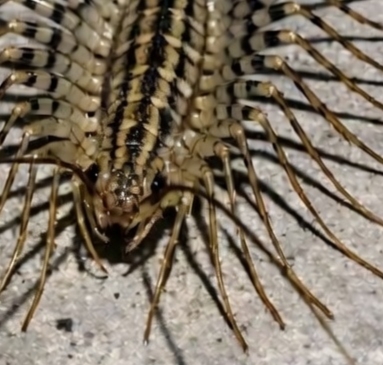
The creature in question is the house centipede (Scutigera coleoptrata). Originally native to the Mediterranean region, it has spread across the world, adapting easily to human environments. Today, it’s commonly found in homes across Europe, North America, and beyond—especially in damp, dark areas like basements and bathrooms.
Cultural Significance
Throughout history, centipedes have often been misunderstood. In many cultures, they symbolize danger or fear due to their unusual appearance. However, in some traditions, they are seen as protectors—natural pest controllers that quietly maintain balance by feeding on harmful insects. Modern perspectives are slowly shifting toward recognizing their ecological value.
Ingredients (Key Characteristics & Quantities)
Think of this as the “makeup” of a house centipede:
- Body Length: Up to 1.5 inches (4 cm)
- Legs: 15 pairs (30 legs total)
- Color: Yellowish-gray with dark stripes
- Antennae: Long, sensitive, whip-like
- Speed: Up to 1.3 feet per second
- Habitat: Damp, dark indoor areas
Optional Additions (Where You Might Find Them)
These creatures often appear in:
- Basements
- Bathrooms
- Under sinks
- Behind furniture
- Cracks and crevices
They are more likely to show up if your home has moisture or other insects.
Tips for Success (Understanding & Staying Calm)
- Don’t panic—they are not aggressive.
- They prefer to run away rather than confront you.
- Their appearance is worse than their actual threat.
- They are actually helping control pests in your home.
Instructions (How to Handle an Encounter)
- Stay calm and avoid sudden movements.
- Use a glass or jar to gently trap it.
- Slide paper underneath to secure it.
- Release it outside, away from your home.
- Wash your hands afterward for hygiene.
Description
The house centipede is fast, delicate, and oddly graceful despite its intimidating look. Its legs move in a wave-like motion, creating a blur of movement that can startle anyone. Its long antennae constantly scan the environment, making it a highly efficient hunter of smaller insects.
Nutritional Information (What It “Consumes”)
Instead of feeding you, it feeds for you:
- Spiders
- Cockroaches
- Termites
- Silverfish
- Ants
Think of it as a natural, chemical-free pest control system living in your home.
Conclusion
What seems like a terrifying intruder is actually a misunderstood ally. The house centipede may not win any beauty contests, but it plays an important role in maintaining a healthier indoor environment.
Recommendation
If you can tolerate its presence, consider letting it stay—it’s working behind the scenes to reduce unwanted pests. If not, opt for humane removal methods rather than harmful chemicals.
Embracing Healthful Indulgence
Sometimes, embracing nature—even in unexpected forms—can lead to a more balanced living space. By understanding creatures like the house centipede, you replace fear with awareness and discomfort with control. A healthier home isn’t always about eliminating everything—it’s about learning what truly belongs.