Introduction
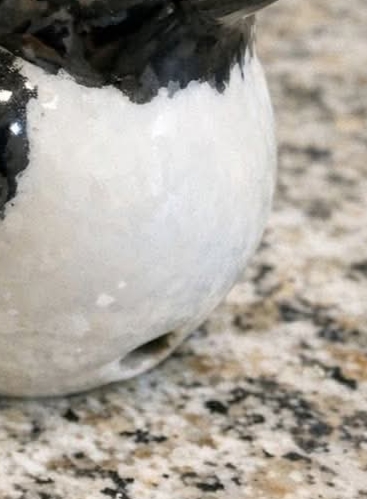
What you’ve found is a charming and practical baking tool known as a pie bird (or pie funnel). Though it looks decorative, it plays an important role in baking pies by helping steam escape during cooking. This prevents messy boil-overs and helps achieve a perfectly baked crust.
Origin
Pie birds date back to Europe, particularly gaining popularity in England during the Victorian era. Bakers needed a simple solution to prevent pies from bubbling over, and the hollow ceramic funnel—often shaped like a bird—became both functional and decorative. The bird shape wasn’t just whimsical; the beak served as an ideal steam vent.
Cultural Significance
Pie birds are tied to traditional home baking and rustic culinary heritage. They reflect a time when kitchen tools were both useful and beautifully crafted. Today, they’re often collected as vintage items or used by baking enthusiasts who appreciate classic techniques.
Ingredients Quantity
To use a pie bird, you’ll need ingredients for a typical double-crust pie:
- 2 pie crusts (top and bottom)
- 4–6 cups filling (fruit, meat, or savory mix)
- ½–1 cup sugar (for sweet pies)
- 2–4 tbsp thickener (flour, cornstarch, or tapioca)
- 1–2 tbsp butter (optional, for richness)
Optional Additions
- Spices (cinnamon, nutmeg, or cloves for sweet pies)
- Citrus zest for brightness
- Herbs (thyme, rosemary for savory pies)
- Egg wash for a golden crust
- Decorative crust cutouts around the pie bird
Tips for Success
- Place the pie bird in the center of the bottom crust before adding filling
- Cut a small hole in the top crust to fit over the bird
- Ensure the bird’s beak is not blocked so steam can escape
- Avoid overfilling the pie to prevent leakage
- Use a baking sheet underneath to catch any drips
Instructions
- Roll out the bottom crust and place it in your pie dish
- Position the pie bird upright in the center
- Add your filling evenly around the bird
- Place the top crust over the filling, letting the bird’s beak poke through
- Seal and crimp the edges of the crust
- Brush with egg wash if desired
- Bake according to your recipe (typically 350–400°F / 175–200°C)
- Allow the pie to cool before removing the bird carefully
Description
A pie bird is a hollow ceramic device with two openings: one at the base and one at the beak. As the pie bakes, steam rises through the bird and exits via the beak, preventing excess moisture buildup and keeping the crust crisp.
Nutritional Information
The pie bird itself does not affect nutrition, but a standard slice of pie may contain:
- Calories: 250–400
- Carbohydrates: 30–50g
- Fat: 10–20g
- Sugar: 15–30g (sweet pies)
- Protein: 2–6g
Values vary depending on ingredients and portion size.
Conclusion
This small ceramic bird is more than just a decorative item—it’s a time-tested baking tool that improves pie quality. By allowing steam to escape, it helps ensure even cooking and a better texture.
Recommendation
If you enjoy baking pies, try using your pie bird at least once. It’s especially useful for fruit pies with high moisture content. Even if you don’t bake often, it makes a lovely kitchen display piece with historical charm.
Embracing Healthful Indulgence
Pies can absolutely be part of a balanced lifestyle. Use fresh fruits, reduce added sugar, or experiment with whole-grain crusts to make your desserts more nourishing. With tools like a pie bird, you’re not just baking—you’re preserving a tradition while creating something delicious and comforting.